
+91 7980426832
The ultimate guide to understanding the differences between hiking and trekking. Discover their origins, modern usage, and which one suits your adventure style.
Everything you need to know about hiking vs trekking, from historical origins to modern applications
Etymology and linguistic roots
How meanings vary globally
Practical differences today
Which suits your style
"On a Saturday evening, over drinks, the words 'Hiking' and 'Trekking' can spark heated debates between even the most respected members of adventure communities worldwide."
This isn't just about semantics—it's about understanding two activities that have shaped outdoor recreation for centuries. While many use these terms interchangeably today, their origins tell fascinating stories of human migration, exploration, and our eternal quest for adventure.
Rather than relying on modern opinions, let's dive deep into their etymological roots, trace their evolution through history, and understand how these words have transformed and merged over time to create today's outdoor vocabulary.
Understanding the true origins of these words reveals their fundamental differences
Meaning: To pull or drag
Root meaning: Pulling, drawing
19th century: Migration by ox wagon

The Dutch settlers in South Africa used ox wagons for their "Great Trek" - massive migrations across the continent. This established trekking as fundamentally about purposeful, long-distance movement.
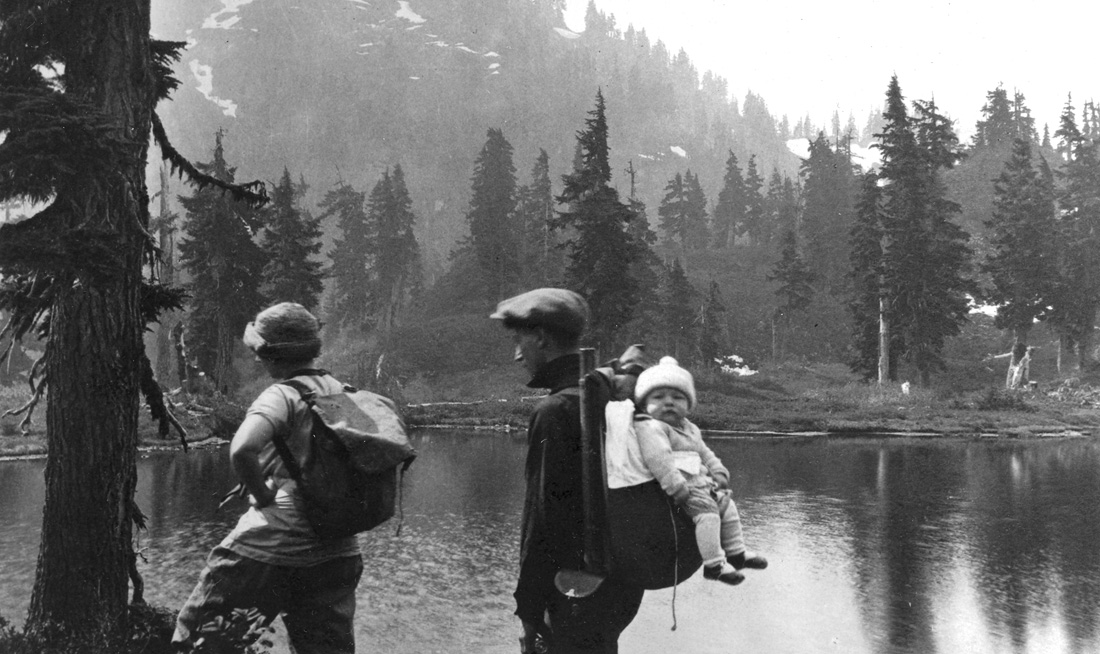
"I don't like either the word or the thing. People ought to saunter in the mountains - not 'hike!'"
Meaning: To move, to jerk
Meaning: To walk vigorously
Late 1800s - WWI era popularization
How these terms are understood and used in today's outdoor recreation world
Day trips • Established trails • Accessible
Few hours to full day, return home same day
Well-marked paths, maintained trails, loop routes
Return home, no overnight stays required
Day pack, water, snacks, basic first aid
Moderate, suitable for various fitness levels
Minimal, can be spontaneous
Multi-day • Remote routes • Challenging
Multiple days to weeks, extended expeditions
Remote paths, unmarked routes, wilderness areas
Camping, mountain huts, basic lodges
Full backpacking gear, navigation tools, emergency equipment
High, requires good fitness and endurance
Extensive, permits, weather windows, supplies
Hiking dominates vocabulary. "Backpacking" used for multi-day trips.
Mixed usage. "Walking" and "rambling" also popular in UK.
Trekking preferred for mountain expeditions and cultural routes.
How you differentiate these terms in one part of the world may have completely opposite meanings elsewhere. Always consider local context when planning outdoor activities or communicating with guides and local communities.
Detailed breakdown of each activity type to help you choose your next adventure
Day Hiking
2-6 hours
Local nature trails
Long Day Hikes
6-12 hours
Mountain day trips
Multi-day Trekking
2-7 days
Circuit routes
Expedition Trekking
1-4 weeks
Remote wilderness
Map, compass, GPS device
Water bottles, electrolyte tablets
Trail snacks, lunch, emergency food
Rain jacket, sun hat, sunscreen
First aid kit, whistle, headlamp
Hiking boots, moisture-wicking clothes
Tent, sleeping bag, sleeping pad
Stove, fuel, cookware, utensils
Filter, purification tablets, extra bottles
Layering system, extra socks, underwear
Detailed maps, GPS, compass, altimeter
Satellite communicator, repair kit, medicine
Regular cardio 3-4x/week, build endurance gradually
Focus on legs, core, and back muscles
Start small, increase distance and elevation
Imagine scenarios, prepare mentally for weather and discomfort
Stick to prep schedules, build confidence through consistency
Helps you stay calm, manage fatigue and stay present in nature
Whether you're planning a day hike or gearing up for a multi-day trek, what matters most is your connection with nature, your preparation, and the stories you collect. These aren’t just outdoor activities—they’re rituals of the soul, deeply rooted in history and shaped by adventure.
Want more gear reviews, route breakdowns, and Himalayan guides? Follow us for updates or check out our trekking collection.
Explore Trekking Guides